

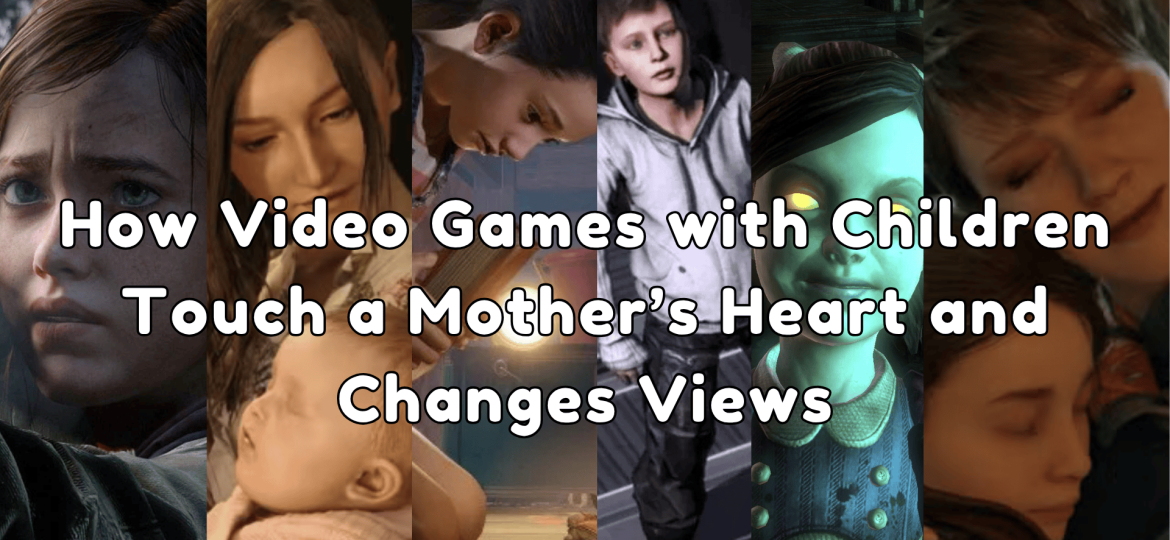
How Video Games with Children Touch a Mother’s Heart and Changes Views
Hey there! It’s been a while! How have you been?
Me? Well… life happens.
Even in video games, every time I play a game that weaves children into its story, I find myself overwhelmed with mixed emotions, emotions like guilt, sorrow, anger, very short-lived joy, and happiness.
And here I am, writing about exactly that, how these stories can touch us so deeply, as gamers, as parents, and especially as mothers.
Video games are more than just fun. They tell rich, meaningful stories. They force us to face difficult choices. And they stir up feelings that stay with us long after we put the controller down.
Have you ever played a game you enjoyed so much that a feeling of longing lingers?
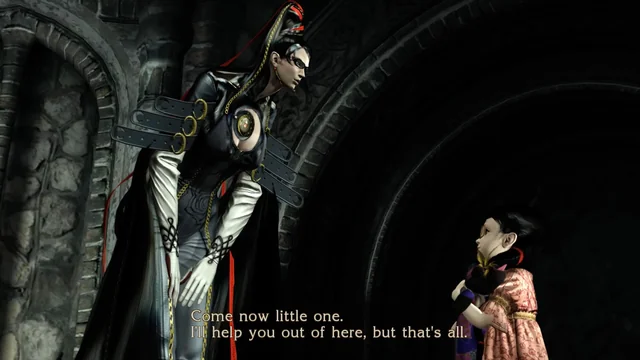
Video games can actually help our brains in wonderful ways more than you realize and there are actual studies that support this claim… seriously, don’t believe me… Hello Google.
They sharpen our attention and problem-solving skills, and they teach us to keep trying even after we fail. For many of us, games are a safe space to relax, manage stress, and experience emotions we might never feel in everyday life.
I’ve always been a gamer, and I can tell you from the heart: I play to unwind and to step into worlds that once felt locked away in my imagination.
On the positive side, story-driven games can build empathy and social understanding. But too much gaming, especially the more violent ones, some can sometimes awaken anxiety or make us a little less sensitive to others’ pain.
For parents who are already tired or carrying heavy stress, finding the right balance is so important. My favorite at this moment is a good old classic, Minecraft, and sometimes when I feel like I need to relieve some stress, I jump right into a great FPS, Hunt Showdown.
The deepest emotional impact often comes from games with powerful stories where we grow to care about the characters, especially when a child is at the center of it all.
For mothers, games that include child characters and stories of loss or protection feel incredibly personal and powerful. As a first-time mom, I can relate, seeing a child brought into a world of suffering on or off screen, leaves a bitter taste behind, feelings of guilt, regret, and failure.
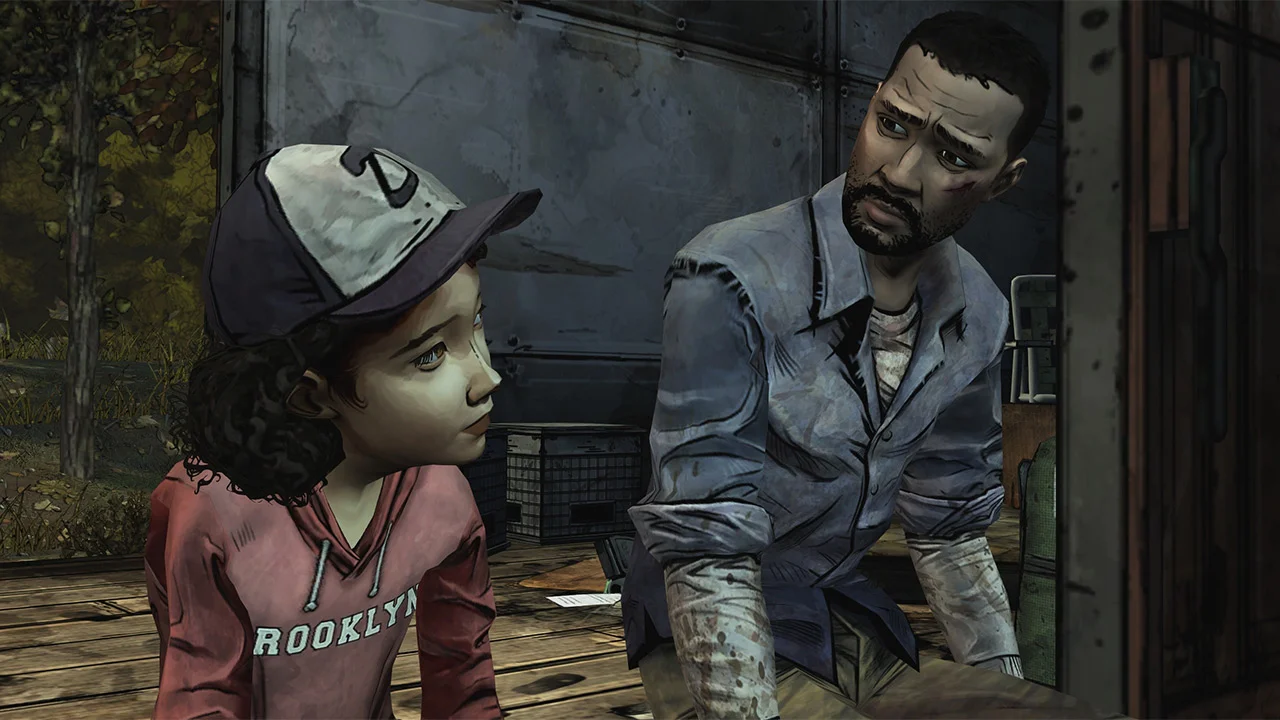
Titles like The Walking Dead (the Telltale series), The Last of Us (both the game and the HBO show), and certain haunting moments in Mass Effect 3, Resident Evil (the games) can hit very close to home. These are just a few that come to mind right away.
The idea for this piece came to me while watching a stream of Resident Evil 9. On my own stream, we started talking about what a real zombie outbreak would look like, how I would survive as a mom with my child in a world that is dying and the number one question on my mind was, “Would we (my family) be ready?” followed by “What would happen if I couldn’t be there for her?”.
As moms, we tap straight into our natural, fierce desire to protect others, especially children.
Take The Walking Dead Telltale series, for example. You help protect young Clementine and, later, a sweet baby named AJ, in the middle of a zombie apocalypse. Your choices truly matter, and the fear of failing to keep the children safe can feel absolutely heartbreaking. The choices you make shape not only you as the player, but sets a theme of how Clem and AJ respond to the world around them.
Little Clem loses her parents and is suddenly thrown into a terrifying world; she is forced to trust strangers for care, stability, and guidance. As her story unfolds, she quickly grows, learning who to trust, who to be careful of, and even how to care for a baby while she’s still just a child herself.
That emotional weight touched so many of us. Looking back now, I cannot help but wonder if my playstyle the second time around would be completely different. I can’t help imagining my own child in her shoes.
I can only hope that if they ever faced a dark world like that, someone with a kind heart like Lee would find her and keep her safe.
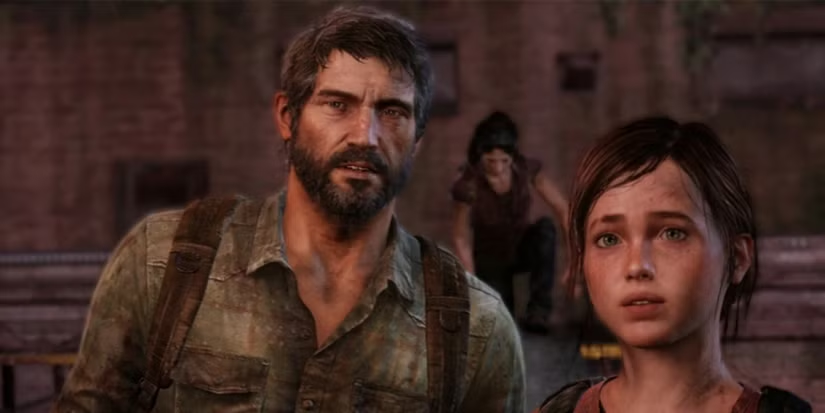
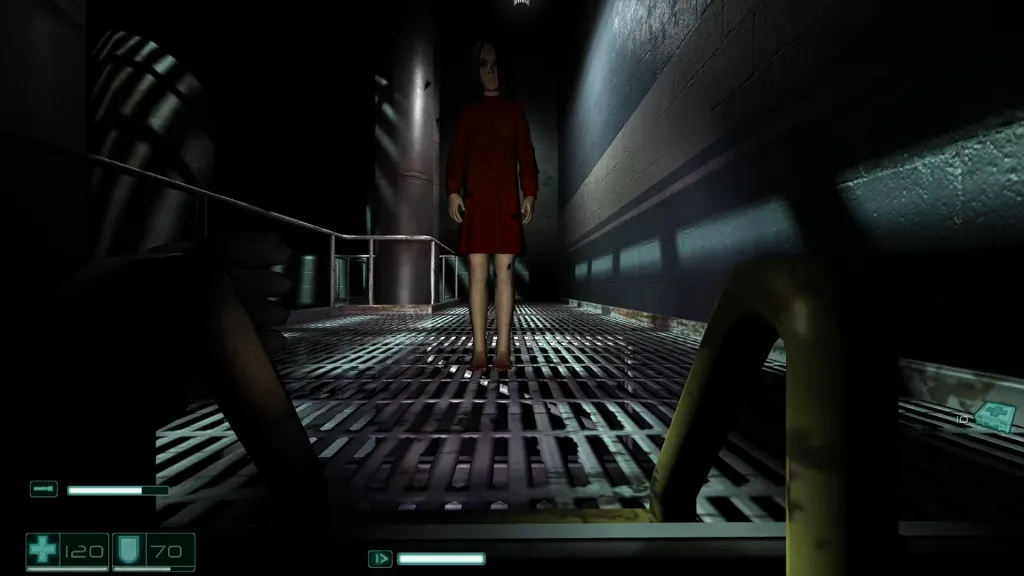
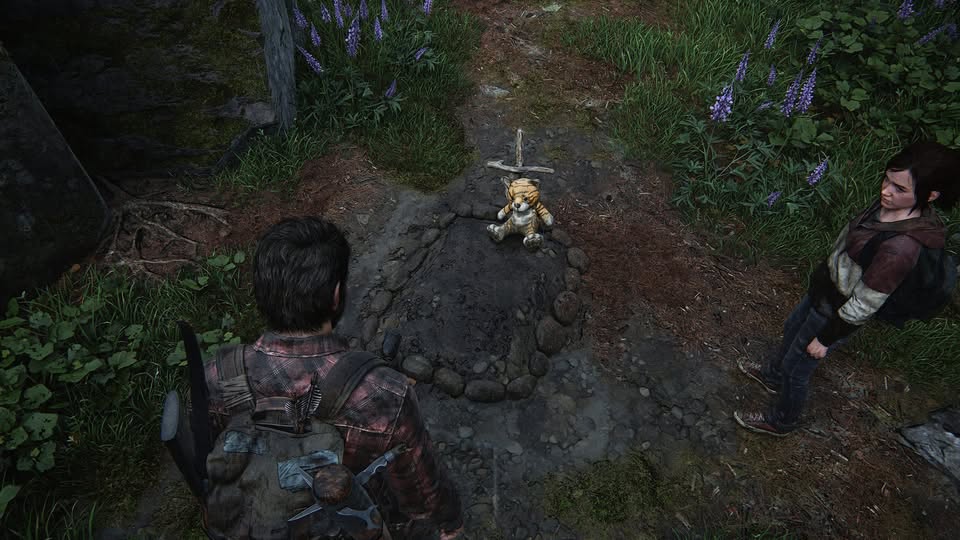
The Last of Us opens with one of the most gut-wrenching scenes I’ve ever experienced in a game: Joel, the protagonist, loses his daughter, Sarah, right at the very beginning of the outbreak.
I never expected to feel that kind of pain so early on. You briefly take control of Sarah, then helplessly watch the tragedy unfold. For many parents, this moment is one of gaming’s most emotional experiences. It feels raw, scary, disorganised, rushed, and all too real.
Later, a heartbroken and closed-off Joel is thrown together with Ellie, a wild, strong-willed teen shaped by the harsh world she grew up in, the complete opposite of what Sarah was. It makes me wonder a little, with Sarah’s personality being soft, kind, and innocent, would she have survived the world they find themselves in?
For Ellie, we don’t just see another child scarred by cruelty; we witness a father who has lost his wife and daughter, slowly learning self-forgiveness, healing, and what it means to long for family again.
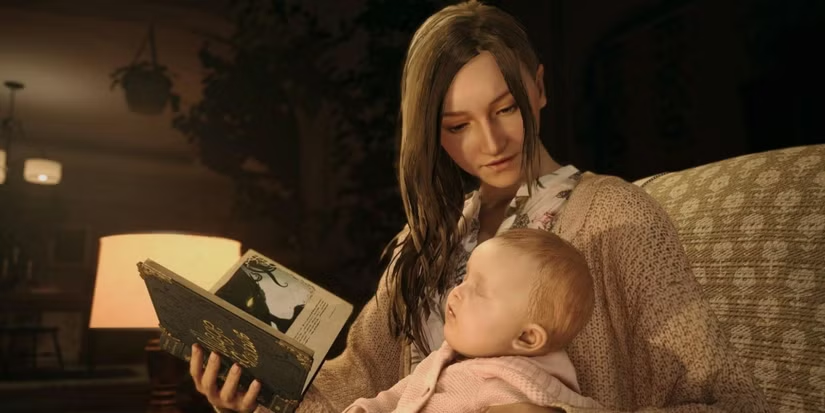
The Resident Evil series does this in such a raw, terrifying way too. In the Resident Evil 2, we meet sweet little Sherry Birkin, a lonely 12-year-old girl abandoned in the chaos of the Raccoon City outbreak.
Her scientist parents are so wrapped up in their dangerous work that Sherry is often left on her own, and later she finds herself hiding from zombies and monsters while searching for safety.
As Claire, we step in to protect her, guiding her through horror, finding her when she’s scared and alone, and even helping cure her after she’s infected with the G-Virus. Watching her small, brave figure running through the nightmare, calling out for help… it pulls at every mother’s heart. She’s not just a side character; she becomes someone you desperately want to shield.
Claire, in particular, becomes a nurturing, protective figure, almost like a big sister or new mom to Sherry. That bond feels so warm and healing amid all the fear. It reminds us how quickly a child can steal your heart and how fiercely we’ll fight to keep them safe, even in a world falling apart.
The later games continue this thread of family and protection. In Resident Evil Village, we see Ethan and Mia’s miracle baby, Rose, a tiny, innocent life born into unimaginable danger. Protecting her (or what’s left of her) becomes the beating heart of the story, turning pure survival horror into something deeply parental and aching.
And with the recent Resident Evil 9 (Requiem), our late-night stream talks about “what if” scenarios that hit even harder. We see new faces, we see old familiar ones, and the father figure in Leon, towards both Grace and Sherry.
We get taken back to where it all started, and we get closure for some unfinished chapters, and it stirs up that same tender worry: How far would we go?
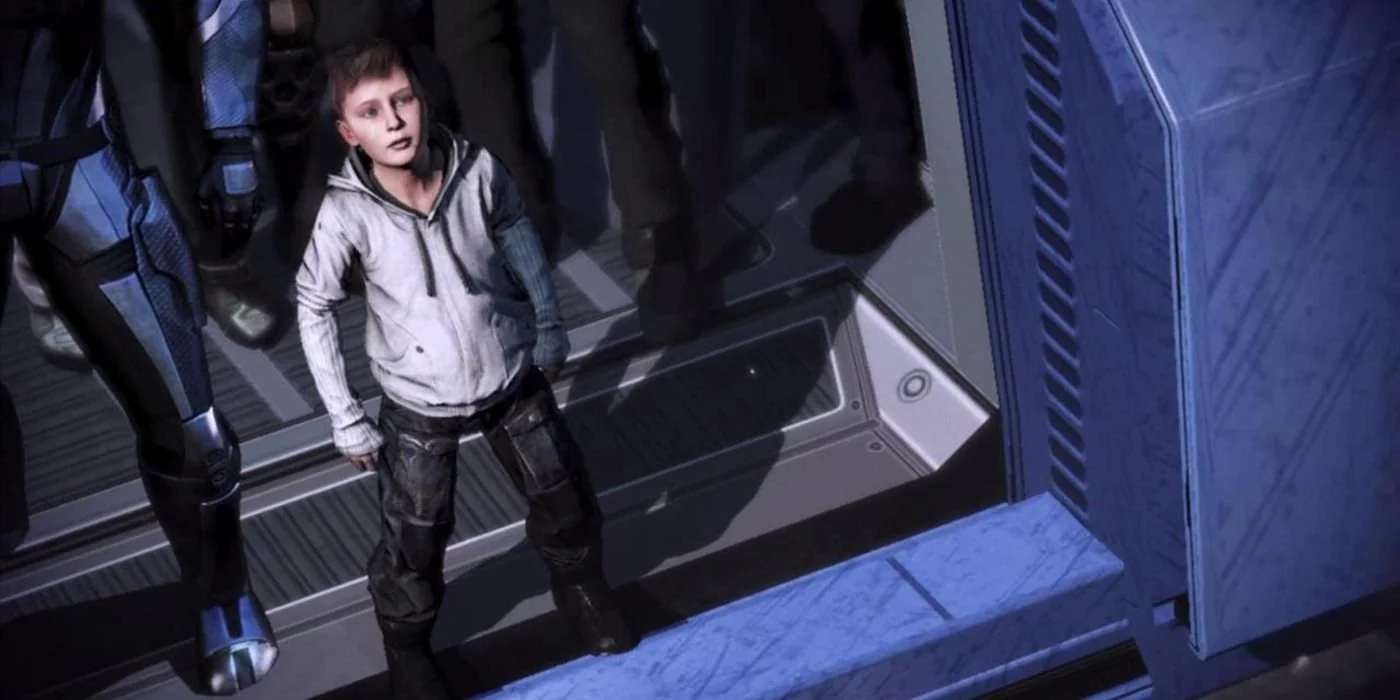
If you’ve played the Mass Effect trilogy, you probably remember the short but haunting scenes with the young boy on Earth. His fate stays with Commander Shepard, and with the player, through recurring nightmares. It makes the enormous galactic war feel deeply personal by showing the terrible cost to innocent lives and the feeling of not being able to save everyone.
As Shepard leaves Earth, you cannot help but wonder what could have happened if you stayed behind and fought. Would you have made a difference? Would you be able to save more?
One moment you’re playing in the garden with your kids. Next, the sky is falling. Or your child is at school while you’re at home or work, and the whole world suddenly stops. What do you do?
As gamers, video games like this really make you think at the end, they make you ask questions you really don’t have the answers to… fear and anxiety sets in.
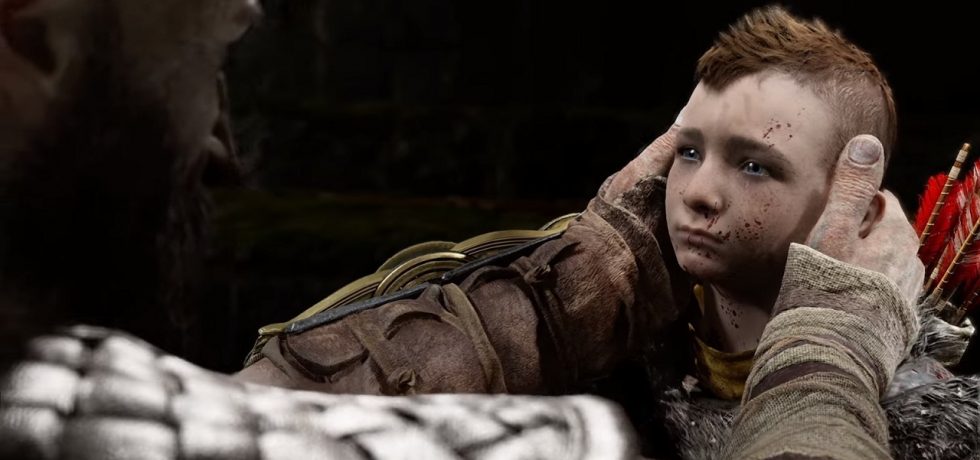
New moms often react even more strongly. After giving birth, with hormones shifting, exhaustion setting in, and that overwhelming protective love blooming, scenes of child loss or danger can feel intensely personal.
To this day, with my daughter already two years old, I still find it hard to watch movies, streams, or play games where children suffer. Even when I know it’s just fiction, my heart can barely stand it.
I’ve read stories from other moms who describe these “trauma” games as sad but strangely healing. In a virtual world where no real child can be hurt, they quietly process their worries about failing as a mother. Non-parents might enjoy the story as a great tale, but for moms, it often lands right in the gut.
Some mothers even say that gaming, when done gently and in balance, has helped them through postpartum feelings.
Mom streamers and YouTubers often share their honest reactions on camera. Videos of them tearing up during Sarah’s death or becoming fiercely protective over Clementine (or rushing to save Sherry) go viral because the emotions feel so real and raw.
Viewers, especially fellow parents, connect deeply with these moments. Creators might pause the game and softly say, “As a mom, I just can’t let anything bad happen to this kid… it feels too close to real life.”
Motherhood gently changes the way we play games that offer choices.
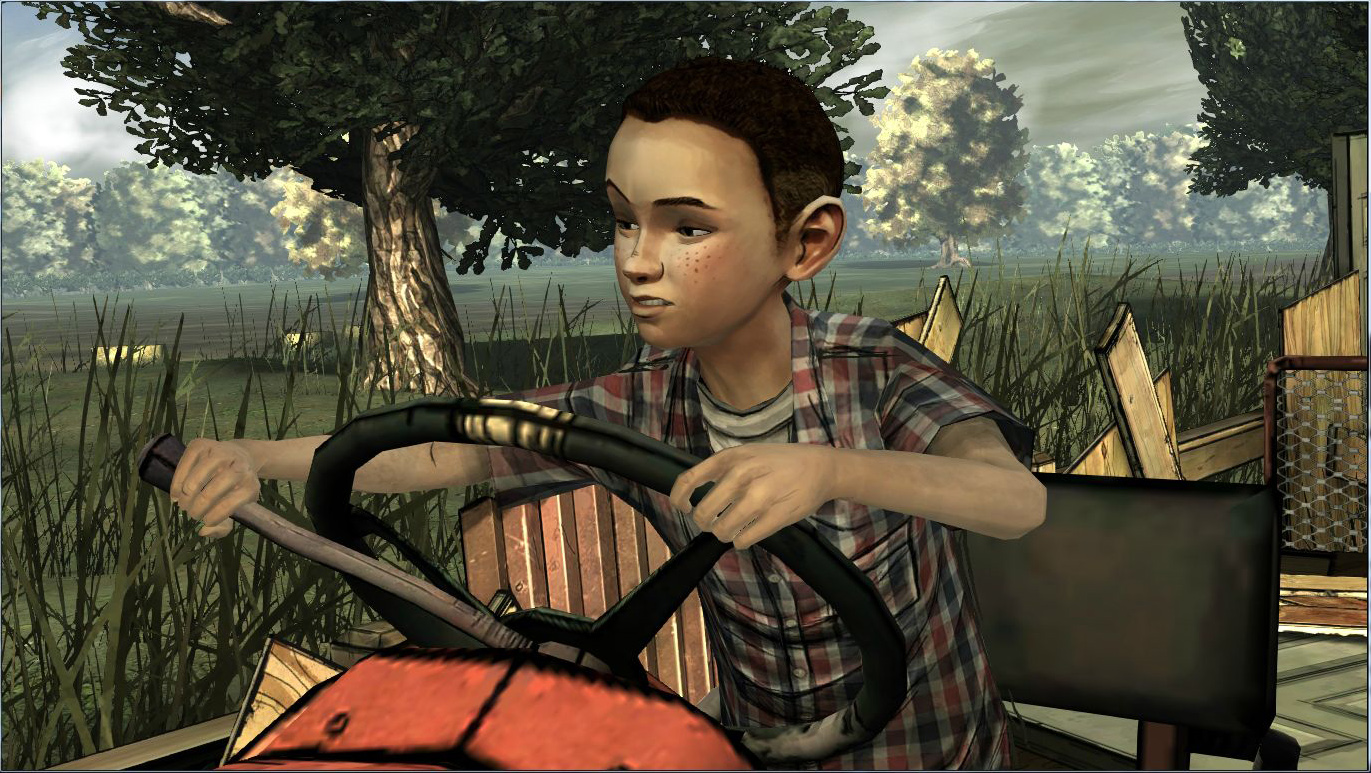
In The Walking Dead, many new moms instinctively choose the safest, most caring options for the children, even when it makes the journey harder. Some reload saves just to protect Clem or AJ from a painful ending (I know I did). And I even recall not being able to watch a friend stream his version of the story BECAUSE I felt they made all the wrong choices.
In Mass Effect, moms often walk the Paragon path: helping others, building alliances, and shielding the innocent. After seeing that scared child, harsh or ruthless choices just feel wrong. When the world is already ending, how could we turn our anger on a frightened little one?
In The Last of Us, even with fewer choices, moms tend to play more carefully, scavenging extra supplies, feeling uneasy with Joel’s darker moments, and quietly disagreeing with his harsh words.
The same happens in Resident Evil 2: many moms move more slowly, explore more thoroughly, and feel a wave of relief every time Sherry makes it to safety.
Why does this happen? Becoming a mother rewires our hearts toward deeper empathy and gentle caution. Games quietly become a safe practice space for real parenting decisions. Choosing to protect the child simply feels natural, even if it doesn’t lead to the “easiest” ending.
Other players might chase cool powers or explore every story branch, but many moms follow their hearts.
Video games don’t just entertain us. They can reflect our deepest feelings and help us grow in quiet, beautiful ways.
For new mothers, streamers, and creators, games like The Walking Dead, The Last of Us, Mass Effect, Resident Evil, and so many others become far more than playtime. They turn into emotional journeys that help us process our fears and strengthen the love and protective instincts we carry every day.
As gaming continues to grow, I hope we see even more stories that warmly include different kinds of parents and families.
To all of you playing: embrace the feelings these games bring, but please be gentle with yourself, especially if you’re a new parent. Take breaks when your heart needs them.
Pixels can make us feel pain that feels just like real life… and sometimes, in the softest ways, they can help us heal too.
Now I ask you again… Have you ever played a game you enjoyed so much that a feeling of longing lingers?
Lots of Love

Love what I do?
Consider donating to help keep the blog running. I appreciate every contribution to help me grow!!