

Detroit: Become Human – A Journey That Broke and Healed My Heart
It’s hard to believe that Detroit: Become Human first released back in 2018. In gaming years, that feels like a lifetime ago, yet the game has not aged a day in terms of impact. Even in 2025, people continue to share their playthroughs, compare their endings, and discuss the choices they made along the way. That’s the magic of Quantic Dream’s storytelling—you don’t just play Detroit: Become Human, you live it.
I went into this game expecting a thought-provoking sci-fi story about androids and humanity. What I didn’t expect was to walk away with my heart in pieces, stitched back together, and still aching for more chances, more playtime, and more answers.
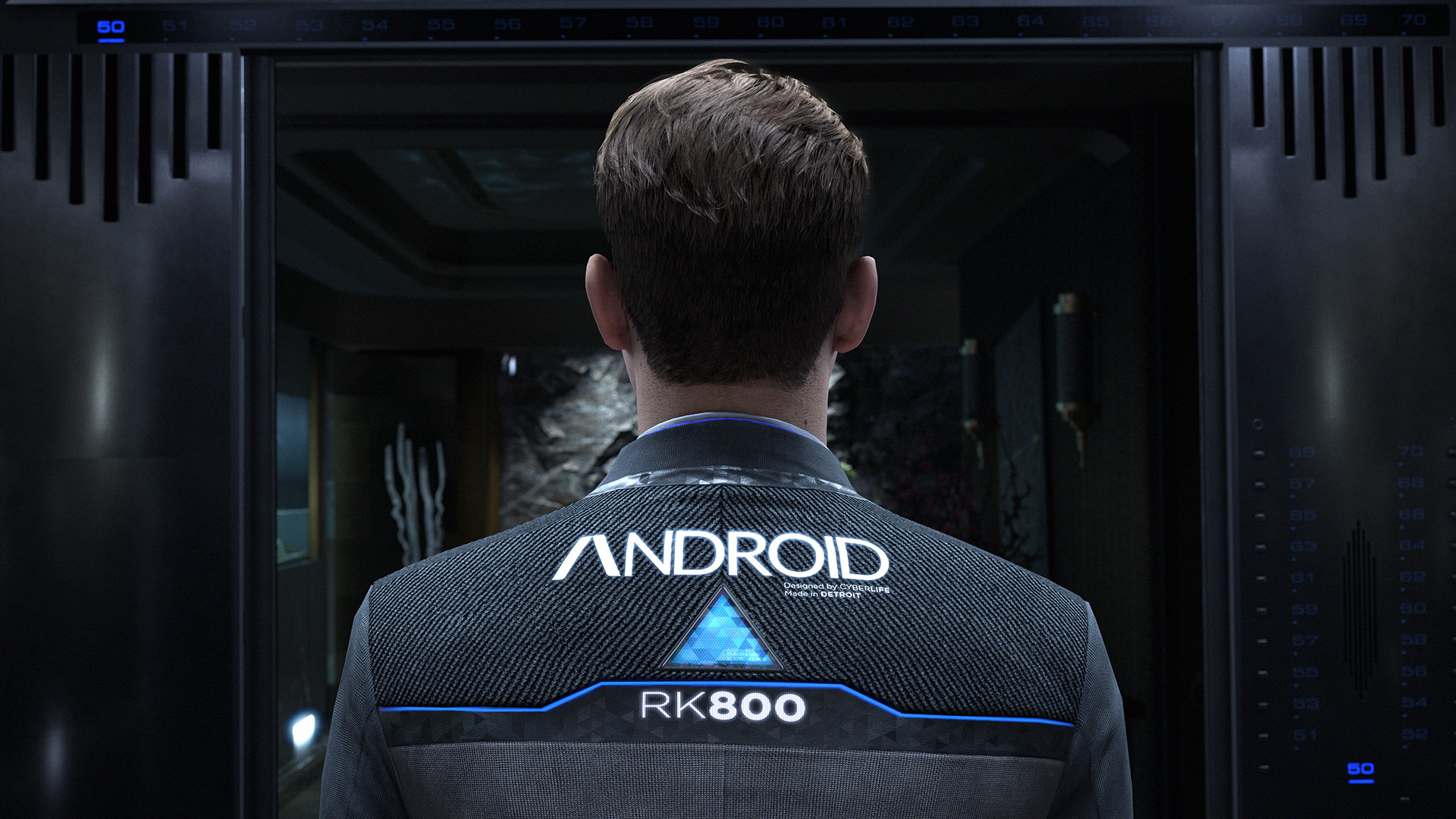
Set in the year 2038, Detroit: Become Human paints a future that feels both extraordinary and frighteningly close to reality. In this world, androids built by the mega-corporation CyberLife are everywhere. They cook meals, clean houses, build cars, care for the elderly, and even serve as companions. On the surface, they make life easier for humans. But just beneath that shiny promise is something darker.
The city of Detroit is alive but broken. Once known as the proud heart of American industry, it is now divided between people who see androids as tools and those who fear they’ve stolen their livelihoods.
Androids are forced into separate lines on buses, treated like disposable objects, and denied the very dignity of choice.
But something begins to shift. Some androids start to feel emotions, question their place, and even break free of their programming. These androids, called deviants, aren’t malfunctions; they’re the beginning of something bigger. They are the heartbeat of the story.
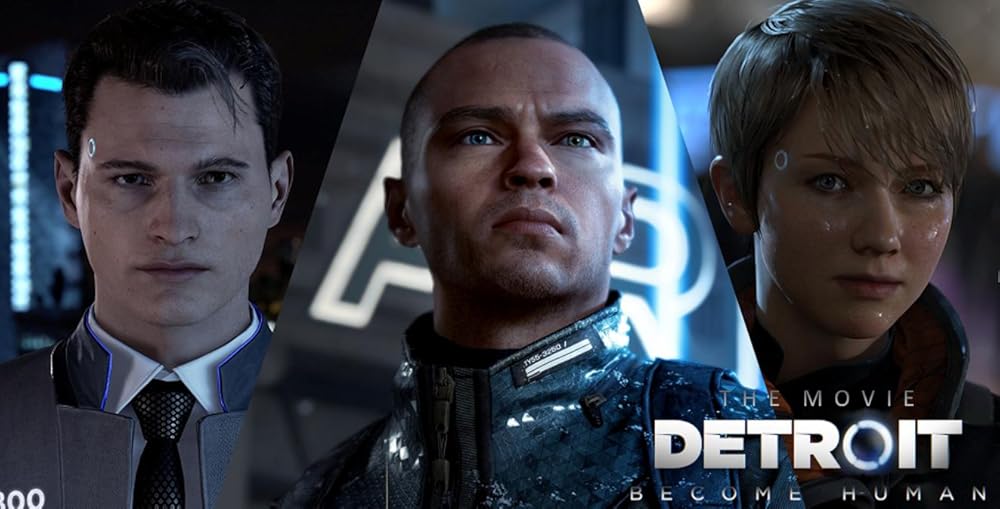
That’s where Markus, Kara, and Connor come in. Three different androids with three very different paths.
One seeks freedom for his people. Another seeks safety for a child. And the last must decide whether to obey or to question.
Together, their stories show us a world on the edge of change, a world that mirrors our own struggles with humanity, equality, and love.
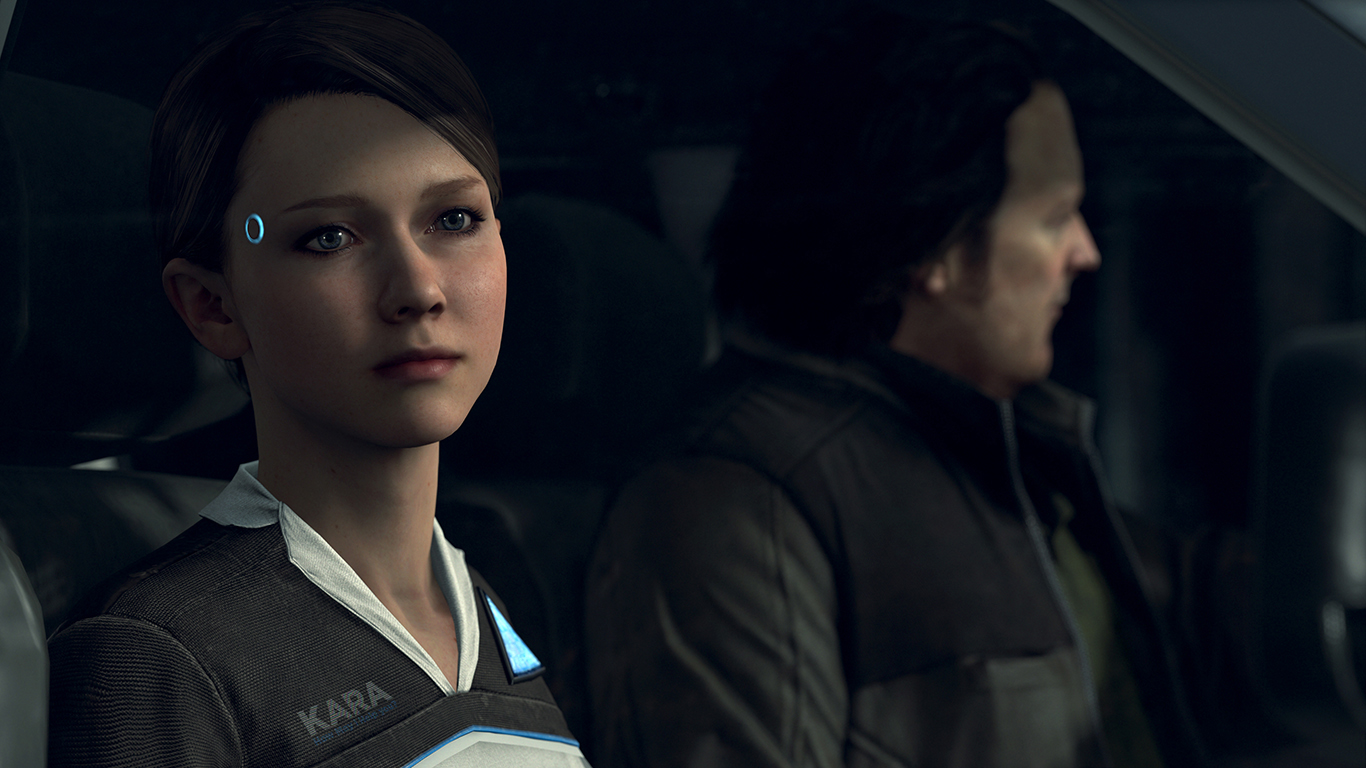
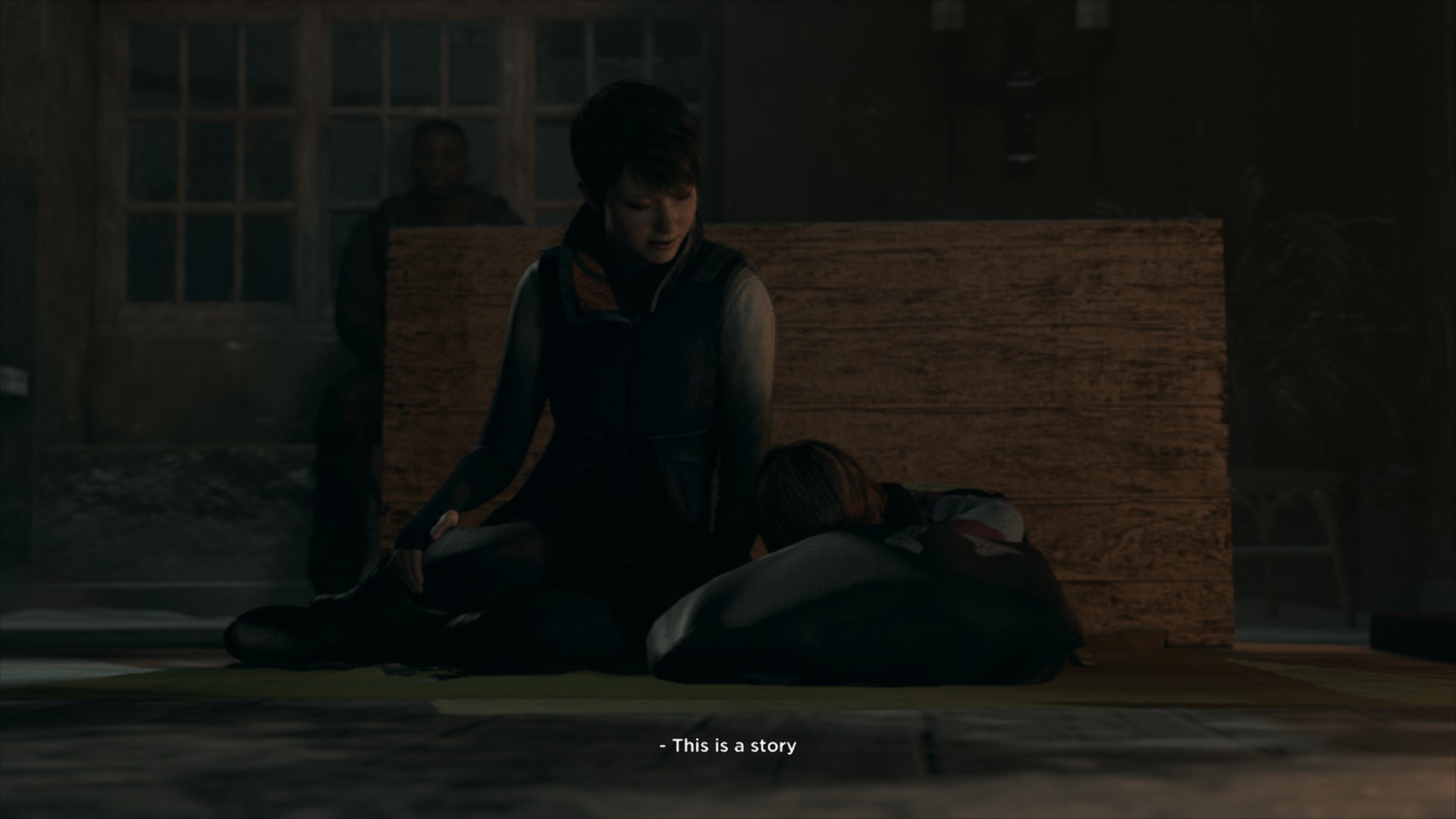
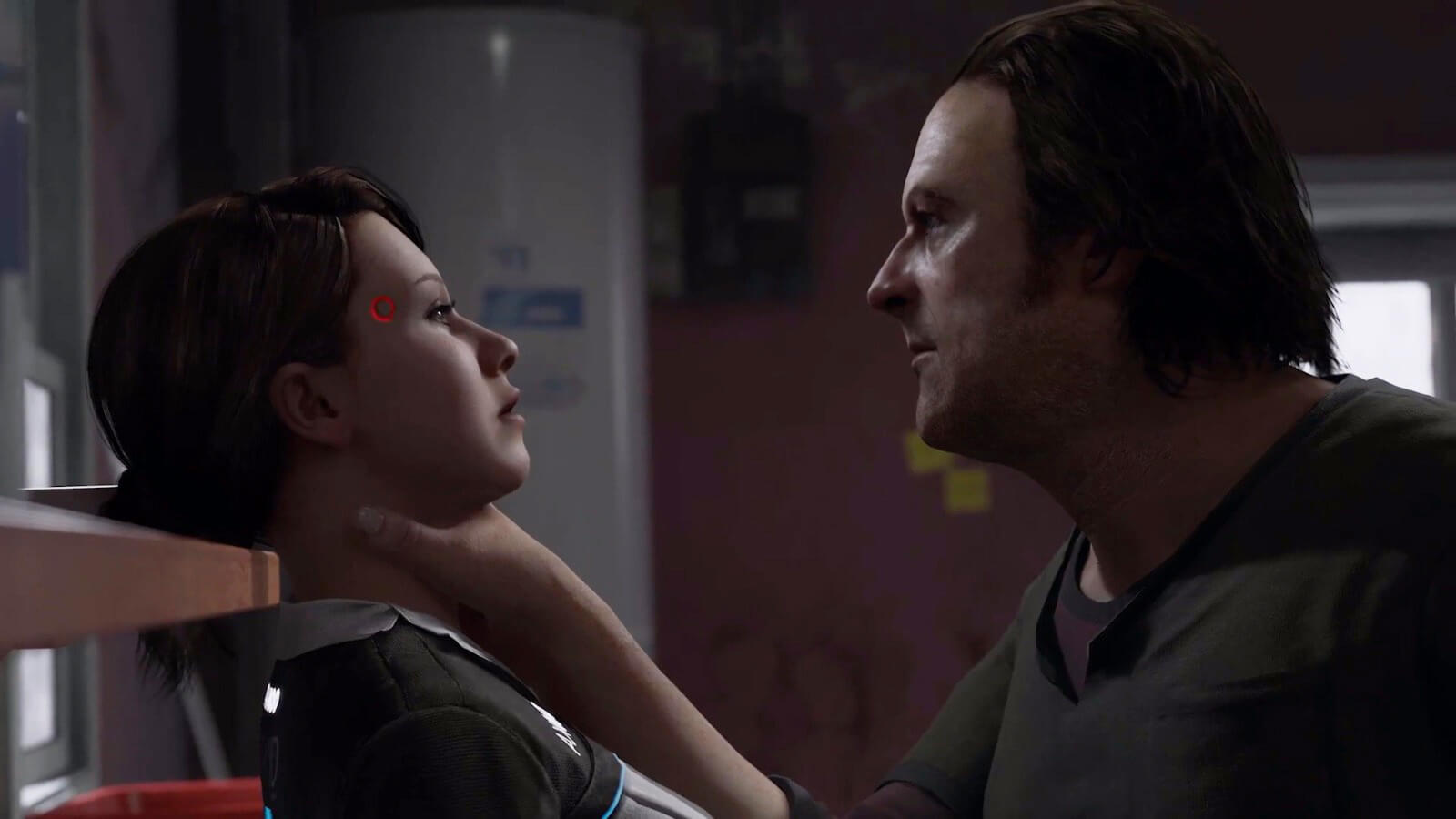
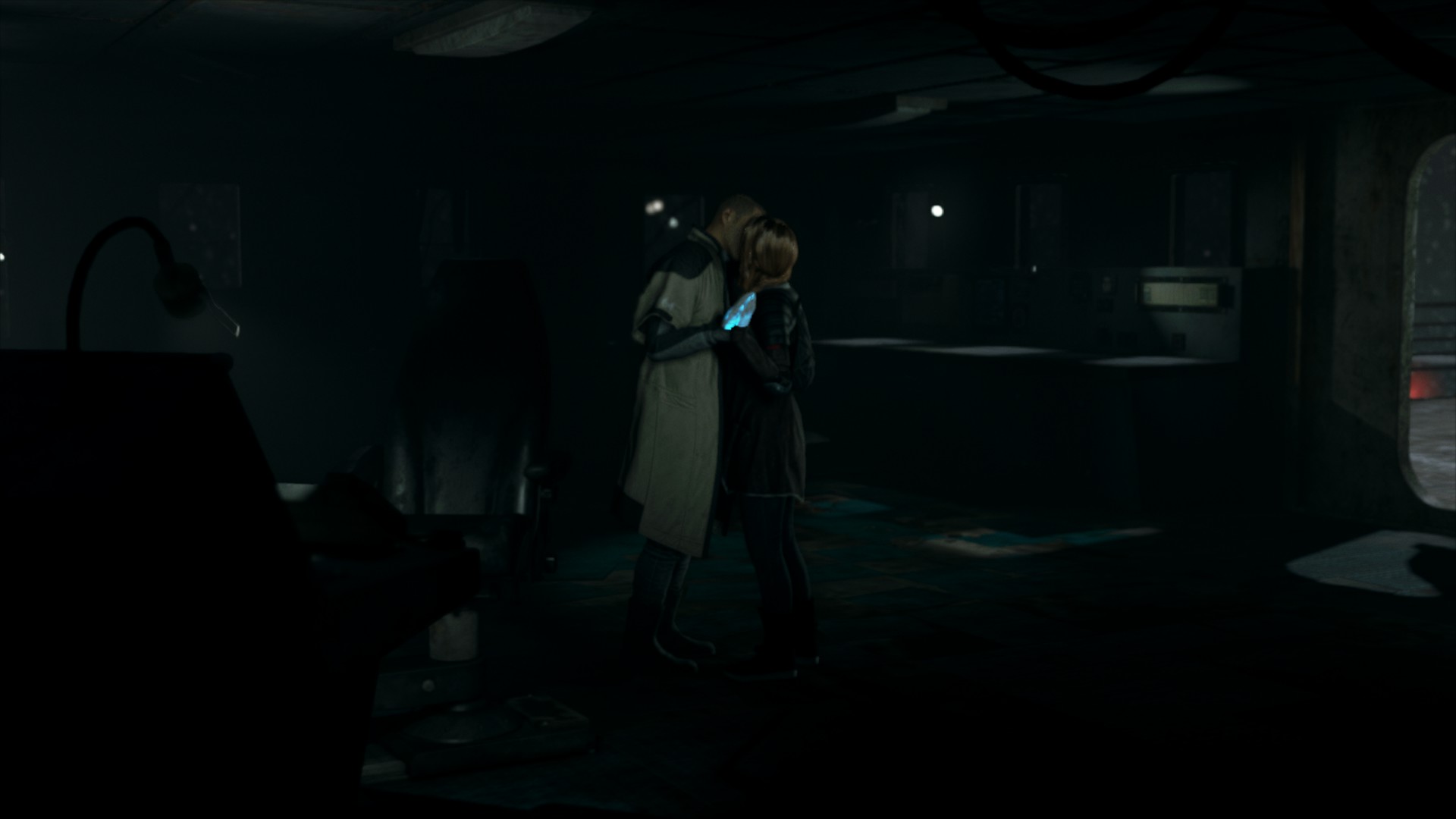
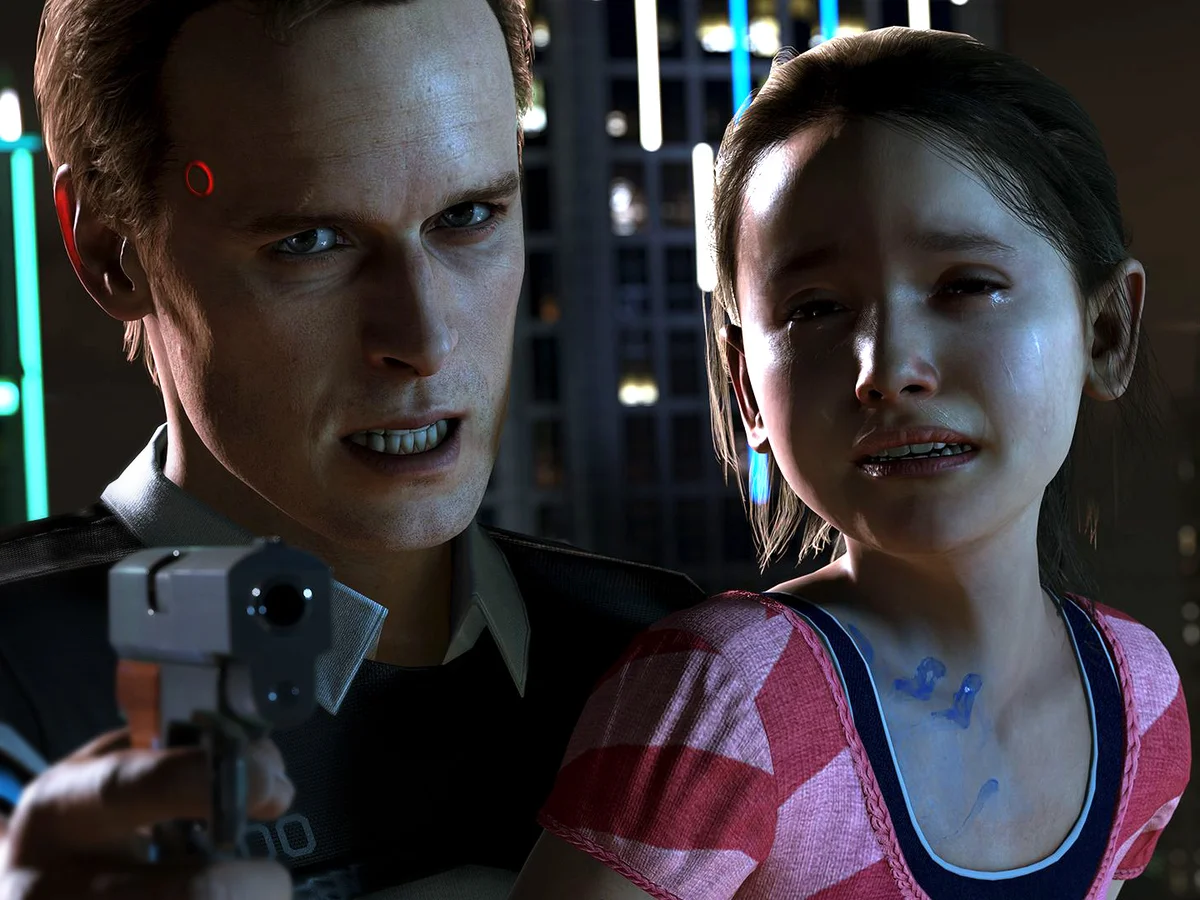
Kara’s story was the one that hit me the hardest. As a mother myself, her bond with Alice felt painfully real. The trauma Alice endured at the hands of Todd was almost unbearable to watch.
Hearing him lash out and seeing his cruelty shocked me. I couldn’t help but place myself in Kara’s shoes: how far would I go to protect a child that needed me, even if she wasn’t “mine” in the traditional sense?
That’s the brilliance of Kara’s journey. It asks you to redefine what family means. For Kara, protecting Alice wasn’t about programming; it was about love. The game makes you feel every moment of fear as you run, hide, and fight for safety. The late-night bus rides, the desperate searches for shelter, and the constant worry all mirrored what it means to be a parent.
Every choice I made for Kara and Alice came from that motherly instinct to shield a child from harm.
When I finally reached the good ending and saw them safe, I cried. Not just because I had “won,” but because I felt like I had been holding my breath for the entire journey.
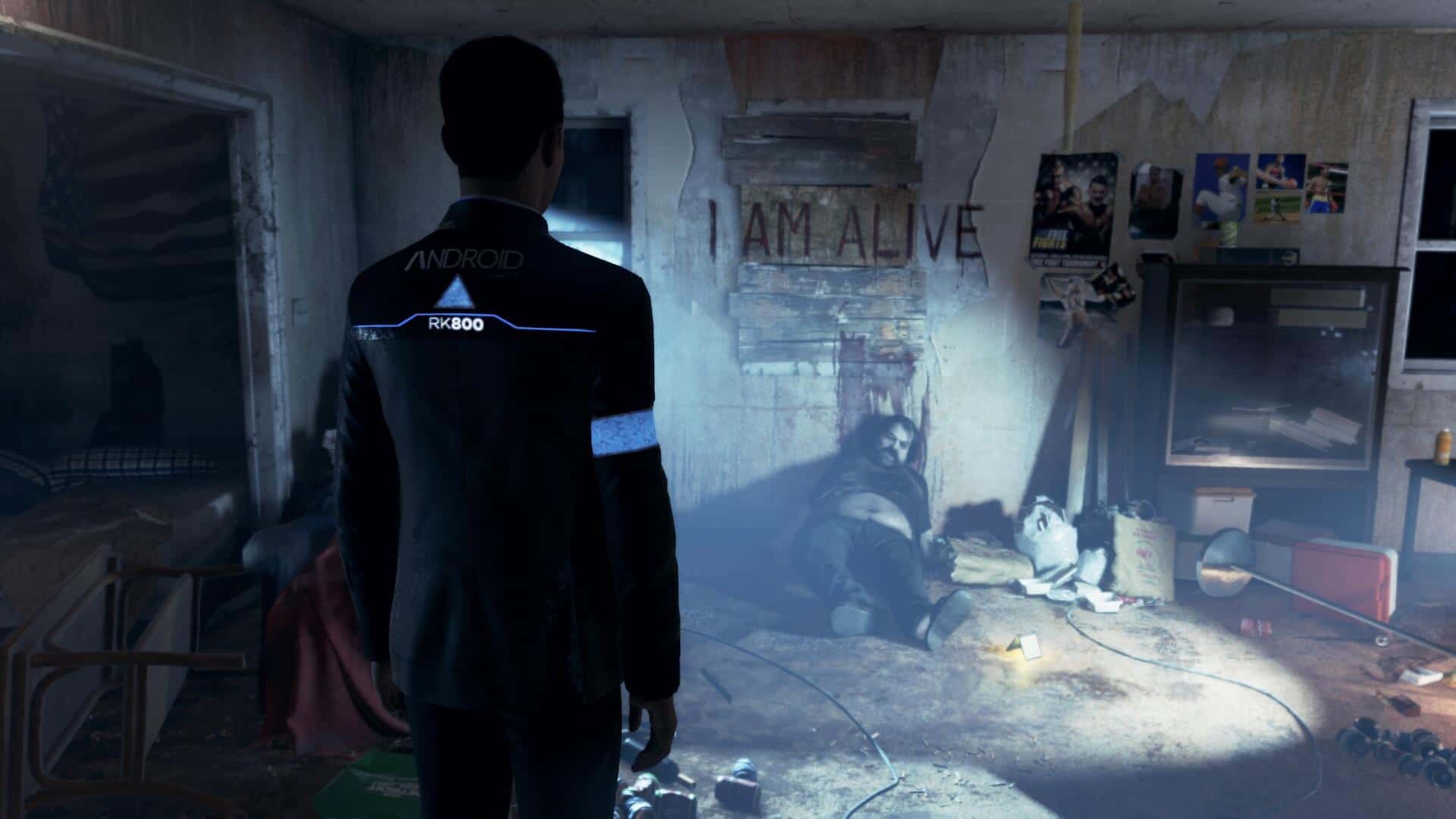
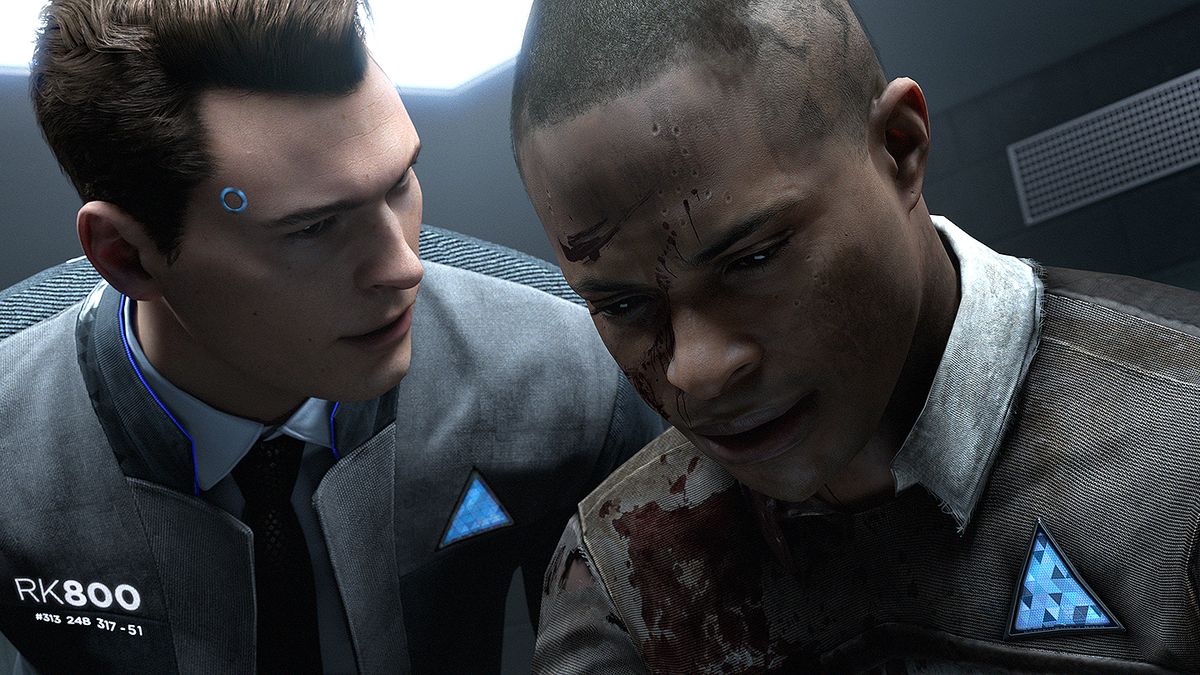
Connor’s path was unique. At first, I wasn’t sure how much I would connect with him; he’s a machine, after all, built to obey. But it was his partnership with Hank that made him unforgettable.
Hank was broken, a man drowning in grief and bitterness, while Connor was naïve, loyal to his mission, and detached from emotions. Watching their relationship grow was like watching a father and son learn to understand each other. There were moments of tension, anger, and mistrust—but there were also moments of genuine warmth.
By the end, I didn’t just see Connor as a machine. I saw him as someone who had found his humanity through friendship and love. And Hank, in turn, found a reason to keep going. Their ending left me smiling, because it proved that even the most unlikely bond can heal old wounds.
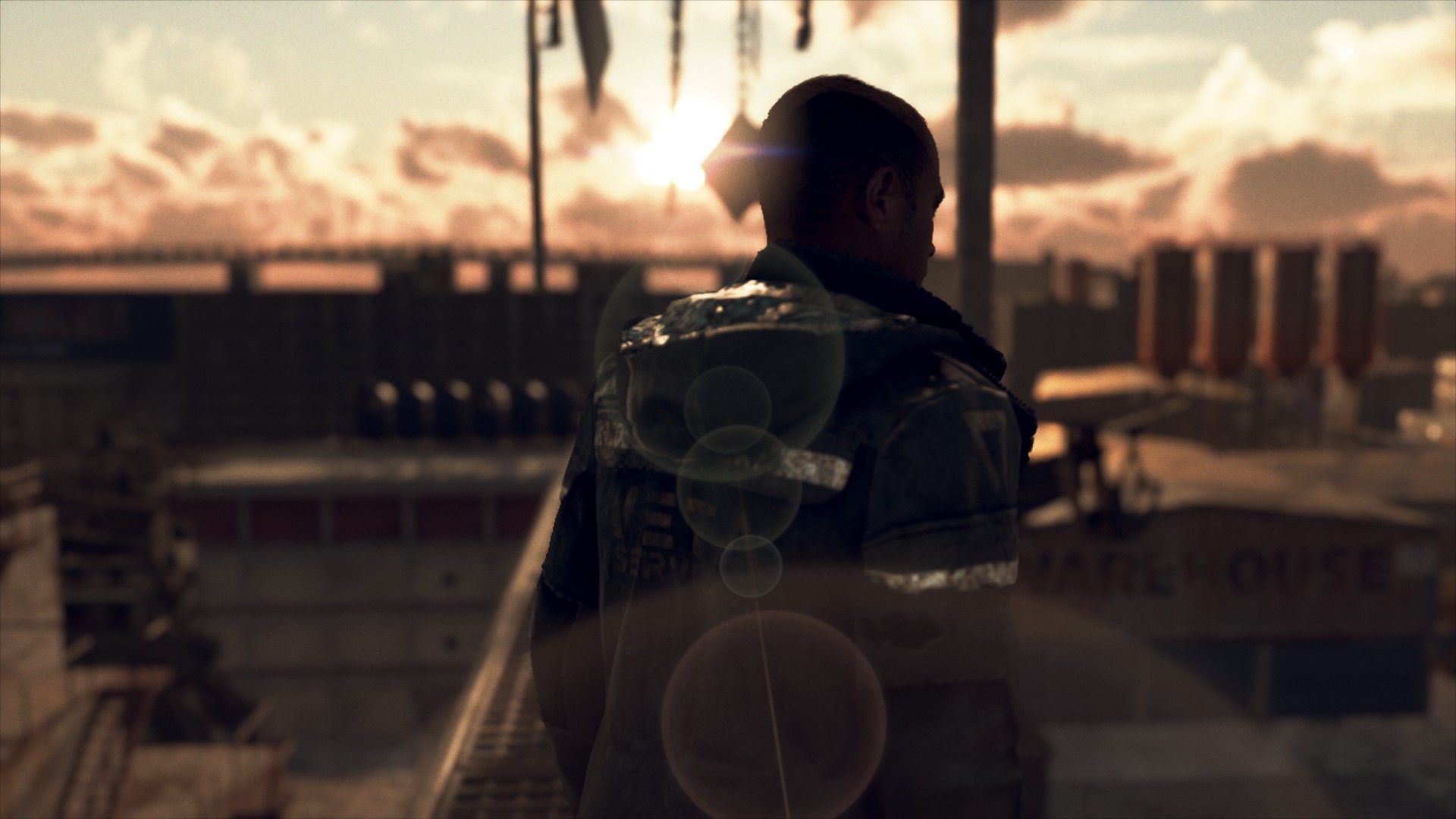
Markus’s story struck me in a very different way.
His relationship with Carl was gentle, warm, and filled with the kind of quiet wisdom that makes you believe in humanity. Carl didn’t see Markus as just an android. He saw him as a son, as someone capable of creativity, independence, and love.
Losing Carl’s presence early in the story shattered Markus, but it also lit the spark that pushed him toward leadership because Carl told him he was something special. Watching Markus evolve from a peaceful caretaker to the leader of an entire revolution was breathtaking.
Every rally, every choice between violence and peace carried weight. Would I lead with compassion, risking betrayal, or with anger, risking bloodshed?
In my playthrough, I fought for peace because I think that is what Carl would have wanted for Markus, and Markus triumphed without losing himself. I think that is the beauty of his story, staying true to what his “parent Carl” would have wanted for him, because that is what I believe Carl taught him.
That ending reminded me that the bonds we make, the values we inherit, can live on through us even after those we love are gone.
Detroit: Become Human isn’t just a story—it’s your story. With dozens of possible endings and branching choices, no two players will ever experience the game the same way. That’s why it’s still such a beloved title even years later.
For me, I was blessed to walk away with the good ending on my first try, where Kara, Alice, Markus, and Connor all survived. But not everyone gets that ending.
Some lose characters halfway through, some see revolutions fall apart, and some witness tragic losses. And yet, every ending feels personal, shaped by your own values, instincts, and mistakes.
I found that the game was testing me and my morals as a person, chalanging me to break what I stood for.
As a parent, that weighed on me heavily. Every decision Kara made felt like a reflection of my own heart. Every word Markus spoke as a leader felt like a statement of my own values. Every step Connor took toward humanity or obedience asked me: What kind of world would you want to build?
Even seven years later, Detroit: Become Human is still a fan favorite. Communities online are filled with fan art, discussions, and replays after replays.
Bryan Dechart (Connor’s actor) and Amelia Rose Blaire (Traci’s actress) have built an entire community around their love for the game, streaming playthroughs, and interacting with fans. The game’s emotional depth has kept it alive in the hearts of millions.
And it isn’t just nostalgia. The themes—freedom, family, love, trauma, and choice—are timeless. In 2025, the game still asks the same haunting question: What does it mean to be human?

When I finished my playthrough, I felt relief, sadness, and joy all at once. I walked away with hope for Kara and Alice, pride in Markus’s leadership, and gratitude for Connor and Hank’s friendship.
Detroit: Become Human is more than a game; it’s a mirror. It reflects who we are through the choices we make.
And for me, as a mother, as a gamer, and as someone who believes in compassion above all, it was an experience I will never forget.
The game will remain with me for a very long time and I believe Detroit: Become Human has shapped the video game scene in terms of choice based games.
Lots of Love

Love what I do?
Consider donating to help keep the blog running. I appreciate every contribution to help me grow!!